Architecture rooted in public service
Over two decades of dedicated work in the civic architecture sector
Who we are
Prime-ash was founded in 1998 by a collective of architects who had worked extensively within government planning departments. We understood the gap between private sector architectural practice and the unique demands of public buildings. Heritage constraints, procurement processes, accessibility mandates, and public scrutiny create a design environment unlike any other.
Rather than treating civic projects as one-off commissions, we made them our sole focus. This specialisation allowed us to develop deep expertise in listed building regulations, public sector planning cycles, and the operational realities of government clients.

What guides our work
Institutional longevity
Government buildings must outlast political cycles. We design for fifty-year operational lifespans, anticipating technological change while avoiding architectural trends that age poorly.
Heritage responsibility
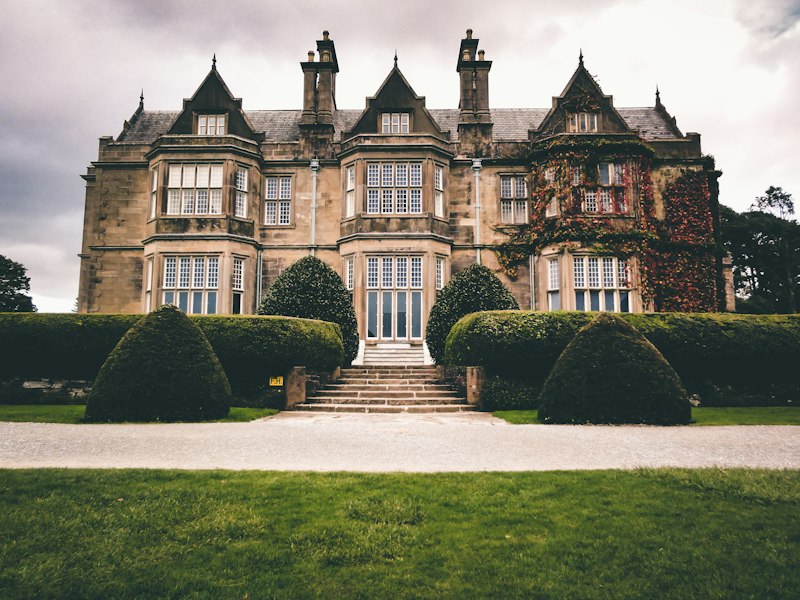
Working with listed buildings requires balancing preservation with contemporary needs. We approach conservation with technical rigour and respect for original design intent.
Public accountability
Civic architecture serves taxpayers. Our designs prioritise value for money, transparent procurement compliance, and accessibility for all citizens.
Areas of specialisation
Local authority buildings
Council chambers, civic offices, and municipal service centres designed to facilitate democratic processes and public engagement.
Judicial buildings
Courthouses and tribunal facilities balancing security requirements with the principle of open justice.
Cultural institutions
Libraries, archives, and public galleries where architecture supports knowledge access and community gathering.
Administrative complexes
Government departmental headquarters requiring secure yet accessible working environments for civil servants and ministerial functions.
Led by experience
Our senior architects hold RIBA accreditation and have served as heritage consultants to Historic England. Several team members previously worked within government estates departments, giving us insider understanding of client decision-making processes and budget constraints.
We maintain a compact team structure. This ensures principal-level oversight on every project rather than delegation to junior staff. Clients work directly with architects who have navigated complex public sector projects for decades.
How we work
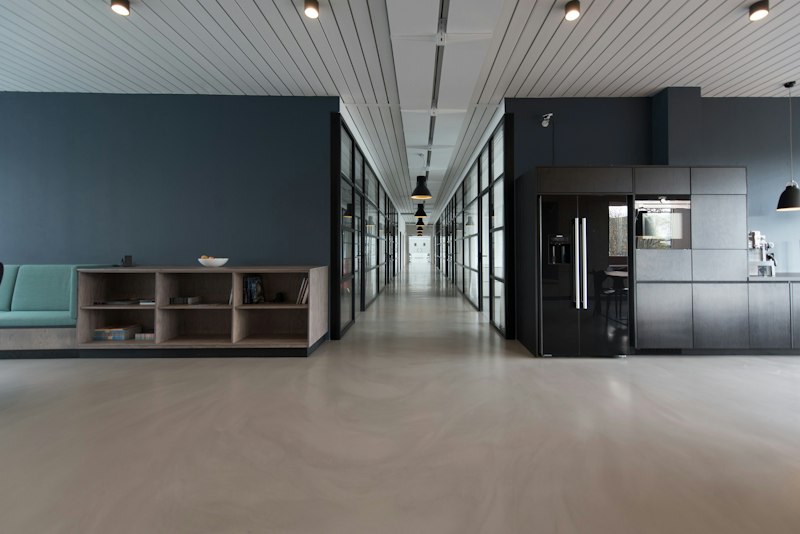
Every project begins with institutional analysis. We spend time understanding how the building will actually be used, who will move through its spaces, and what operational pressures it must accommodate. A planning department has different spatial needs than a magistrates' court, even if both are government facilities.
We work within constrained budgets. Public sector projects rarely have flexibility for scope creep or design indulgence. Our proposals reflect this reality, offering solutions that can be delivered within allocated funding while meeting all regulatory requirements.
Heritage projects demand particular care. When restoring a Grade I listed building, every intervention must be justified to conservation officers and heritage bodies. We document existing conditions meticulously, propose minimal interventions where possible, and use traditional materials and techniques where contemporary alternatives would compromise authenticity.